
Introduction
Frontend and backend frameworks are the backbone of modern web and software development. If you are new to development or moving from basic coding to real projects, understanding frontend and backend frameworks is a must. These frameworks help developers build websites and applications faster, cleaner, and in a more organized way. Instead of writing everything from scratch, you use a ready-made structure that follows proven best practices.
In simple words, frontend frameworks focus on what users see and interact with on the screen. Backend frameworks handle what happens behind the scenes, such as data storage, security, and business logic. Together, they create complete, functional applications that feel smooth and reliable. Without them, development would be slow, messy, and hard to scale.
Today, companies expect developers to understand frontend and backend frameworks, even at a beginner level. These tools save time, reduce errors, and make teamwork easier. They also help applications grow without breaking when traffic increases. Whether you want to build a personal blog, an online store, or a large business platform, frameworks play a key role.
This guide explains frontend and backend frameworks in simple English. It is written for beginners and intermediate learners who want clarity without confusion. You will learn what they are, why they matter, how to use them step by step, and what mistakes to avoid. By the end, you will have a strong foundation to choose the right tools and move forward with confidence.
What is Frontend and Backend Frameworks?
Frontend and backend frameworks are structured tools that help developers build applications efficiently. A framework provides pre-written code, rules, and patterns that guide how an application is created. Instead of starting from a blank file, developers follow a clear system.
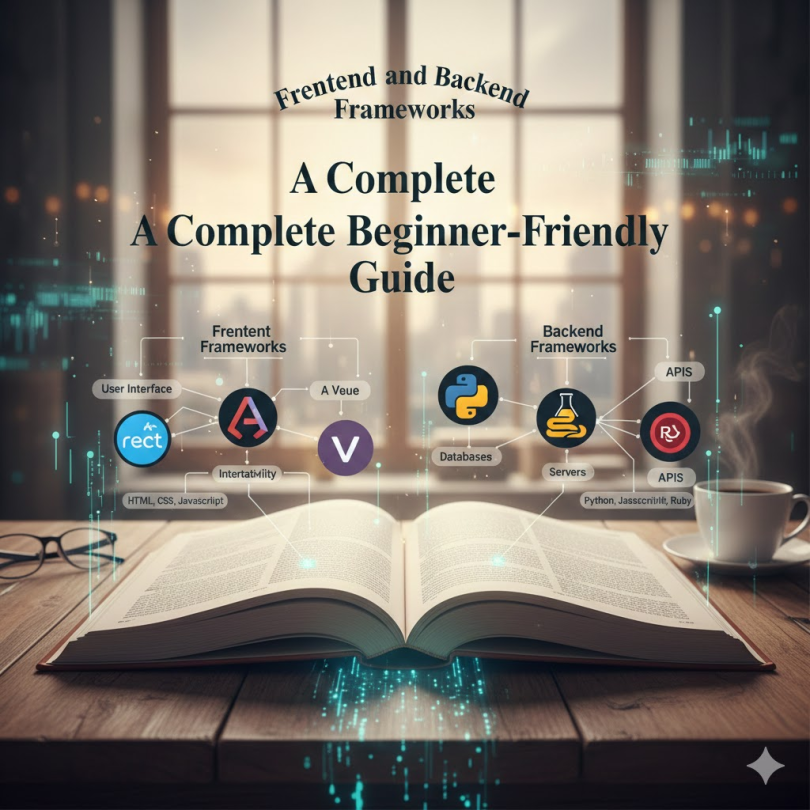
Frontend frameworks focus on the client side of an application. This includes layout, design, buttons, forms, and animations. Everything the user sees and interacts with is handled here. These frameworks help manage user interfaces and user experience in a clean way.
Backend frameworks work on the server side. They handle data processing, authentication, database connections, and application logic. When a user submits a form or logs in, the backend framework processes the request and sends a response.
Frontend and backend frameworks work together as a team. The frontend sends requests, and the backend responds with data or actions. This separation makes applications easier to manage, test, and improve over time.
In short, frontend frameworks control appearance and interaction, while backend frameworks control logic and data. Both are essential for building modern, scalable applications.
Why is Frontend and Backend Frameworks Important?
Frontend and backend frameworks are important because they simplify complex development tasks. They provide a solid structure that helps developers avoid common mistakes and follow industry standards.
One major reason is speed. Frameworks reduce development time by offering ready-made solutions. Developers can focus on features instead of repetitive setup work.
Another reason is consistency. When multiple developers work on the same project, frameworks ensure everyone follows the same rules. This makes the code easier to read and maintain.
Security is also a key factor. Backend frameworks often include built-in protection against common threats. Frontend frameworks help manage user input safely and efficiently.
Scalability matters as well. Applications built with proper frameworks can handle growth better. As users increase, the system remains stable and responsive.
Finally, frontend and backend frameworks improve learning. Beginners can understand real-world development patterns early, which prepares them for professional projects and jobs.
Detailed Step-by-Step Guide
Step 1: Understand the Difference Between Frontend and Backend
Before choosing any tools, you must clearly understand the roles. Frontend deals with visuals and interaction. Backend handles logic, data, and server communication.
Spend time learning basic HTML, CSS, and JavaScript first. For backend, learn basic programming concepts and how servers work. This foundation makes frameworks easier to understand.
Step 2: Choose the Right Frontend Framework

Start with one frontend framework that fits your goals. Some frameworks focus on simplicity, while others offer advanced features.
When choosing, consider:
- Learning curve
- Community support
- Job demand
- Project size
Begin with small projects like forms, dashboards, or simple pages to build confidence.
Step 3: Choose the Right Backend Framework
Backend frameworks depend on the programming language you prefer. Each framework has its own structure and philosophy.
Focus on:
- Ease of setup
- Database support
- Security features
- Performance
Start with basic tasks such as user login, data storage, and simple APIs.
Step 4: Learn How Frontend and Backend Communicate
Frontend and backend frameworks communicate through requests and responses. Usually, this happens using APIs.
Learn how to:
- Send data from frontend to backend
- Receive responses
- Handle errors
- Display results to users
This step connects both sides into one working system.
Step 5: Build Small Full Projects
Practice by building complete projects using both frameworks together. For example:
- A contact form with data storage
- A login system
- A simple blog
Small projects teach real-world problem solving.
Step 6: Improve Structure and Performance
As you grow, learn how to organize files, optimize performance, and handle errors properly. Frameworks offer tools for these tasks.
This step turns beginner knowledge into professional skills.
Benefits of Frontend and Backend Frameworks
- Faster development with reusable components
- Cleaner and more organized code structure
- Easier teamwork and collaboration
- Built-in security features
- Better performance optimization
- Scalability for growing applications
- Strong community support and learning resources
- Improved user experience and reliability
Disadvantages / Risks
- Steep learning curve for beginners
- Overhead for very small projects
- Frequent updates may cause breaking changes
- Wrong framework choice can slow progress
- Over-reliance may limit core skill growth
Common Mistakes to Avoid
Many beginners rush into frameworks without understanding basics. This leads to confusion and frustration. Always learn core concepts first.
Another mistake is using too many tools at once. Stick to one frontend and one backend framework until you feel comfortable.
Ignoring documentation is also common. Framework documentation explains best practices and saves time.
Some developers copy code without understanding it. This causes bugs and limits learning.
Finally, avoid building large projects too early. Start small and grow step by step.
FAQs
What are frontend and backend frameworks in simple terms?
Frontend and backend frameworks are tools that help developers build applications faster. Frontend frameworks handle what users see, while backend frameworks manage logic and data.
Do beginners really need frameworks?
Yes, beginners benefit from frameworks once they understand basics. Frameworks teach real-world development patterns and save time.
Can I learn frontend without backend?
You can start with frontend alone, but full applications require backend knowledge. Learning both gives better opportunities.
Are frontend and backend frameworks hard to learn?
They can feel difficult at first, but with practice and small projects, they become easier. Patience is key.
How long does it take to learn them?
Basic understanding can take a few months. Mastery depends on practice, consistency, and project experience.
Can one person handle both frontend and backend?
Yes, many developers do both. They are often called full-stack developers and are in high demand.
Expert Tips & Bonus Points
Focus on fundamentals before frameworks. Strong basics make learning faster and smoother.
Read official documentation regularly. It helps you stay updated and avoid bad practices.
Build real projects instead of only watching tutorials. Practice creates confidence.
Learn debugging early. Understanding errors improves problem-solving skills.
Keep your code simple and readable. Clean code is easier to maintain and scale.
Finally, be patient. Mastering frontend and backend frameworks is a journey, not a race.
Conclusion
Frontend and backend frameworks are essential tools in modern development. They provide structure, speed, and reliability for building applications of any size. For beginners and intermediate learners, understanding these frameworks opens the door to professional-quality projects and career opportunities.
By learning frontend and backend frameworks step by step, you reduce confusion and build confidence. You start by understanding the difference, choosing the right tools, and practicing with small projects. Over time, these skills grow into strong development habits.
Frameworks are not magic solutions, but they are powerful helpers. When used correctly, they improve code quality, security, and performance. They also make teamwork easier and applications more scalable.
The key is balance. Learn the basics, use frameworks wisely, and focus on continuous improvement. With consistent effort, frontend and backend frameworks become reliable partners in your development journey. Stay curious, keep building, and enjoy the process of creating meaningful digital experiences.