

Introduction
Choosing the right framework can feel confusing, especially when you are new to development or working on your first serious project. There are many options available, and each one claims to be fast, modern, and reliable. This is where a framework comparison guide becomes useful. Instead of guessing or following trends, you can make a smart decision based on real needs. A good framework comparison guide helps you understand differences clearly, without technical overload.
In simple terms, frameworks are tools that help developers build applications faster and more safely. However, not every framework is suitable for every project. Some are better for small websites, while others are designed for large applications. Some focus on speed, while others focus on flexibility or security. Because of this, comparing frameworks is not about finding the “best” one. It is about finding the right one for your goals.
This framework comparison guide is written for beginners and intermediate readers who want clarity. You do not need advanced knowledge to follow along. Each section is explained in plain language with practical examples. We will cover what a framework comparison guide really means, why it matters, and how to use one step by step.
By the end, you will know how to compare frameworks with confidence. You will also understand common mistakes, benefits, and risks. Most importantly, you will be able to choose a framework that fits your project, skills, and long-term plans.
What is Framework Comparison Guide?
A framework comparison guide is a structured way to evaluate and compare different software frameworks. It helps you understand how frameworks differ in features, performance, learning curve, and use cases. Instead of reading random opinions, you follow a clear method to compare them side by side.
Frameworks exist in many areas, such as frontend, backend, and full-stack development. Each framework solves problems in a slightly different way. A framework comparison guide looks at these differences in a practical manner. It answers questions like which framework is easier to learn, which one scales better, and which one fits a specific project type.
This guide is not just a list of features. It explains how those features affect real-world development. For example, two frameworks may both be fast, but one might require more setup while the other is ready to use quickly. A framework comparison guide highlights these details clearly.
In simple words, a framework comparison guide is a decision-making tool. It helps developers avoid confusion, save time, and reduce mistakes. Whether you are building a small website or a large application, this guide helps you choose wisely.
Why is Framework Comparison Guide Important?
A framework comparison guide is important because choosing the wrong framework can cause problems later. Many beginners select frameworks based on popularity alone. While popularity can be helpful, it does not guarantee suitability for your project. A proper comparison prevents this mistake.
Another reason is long-term project health. Once a framework is chosen, changing it later can be expensive and time-consuming. A framework comparison guide helps you think ahead. It encourages you to consider future updates, maintenance, and scalability.
Learning time is also a key factor. Some frameworks are easy to start with but hard to master. Others take longer to learn but offer better structure. A framework comparison guide helps you balance learning effort with project needs.
Finally, a framework comparison guide improves confidence. Instead of doubting your choice, you understand why you selected a specific framework. This clarity leads to better planning and smoother development.
Detailed Step-by-Step Guide
Step 1: Define Your Project Requirements
Before comparing frameworks, you must understand your project clearly. Start by listing what you want to build. Is it a simple website, a web application, or a complex system? The size and purpose matter.
Next, think about features. Do you need real-time updates, user authentication, or high security? These requirements narrow down suitable frameworks. Without clear requirements, comparison becomes meaningless.
Also, consider your timeline. If you need fast delivery, a simple framework may be better. Complex frameworks often require more setup time.
Step 2: Identify Your Skill Level
Your experience level plays a major role in framework selection. Beginners should prefer frameworks with good documentation and simple concepts. Advanced frameworks can slow you down if you are not ready.
A framework comparison guide always considers the learning curve. Some frameworks are beginner-friendly, while others assume prior knowledge. Be honest about your skills to avoid frustration.
If you are working in a team, consider team skills as well. A framework that everyone understands will reduce errors and improve collaboration.
Step 3: Compare Core Features
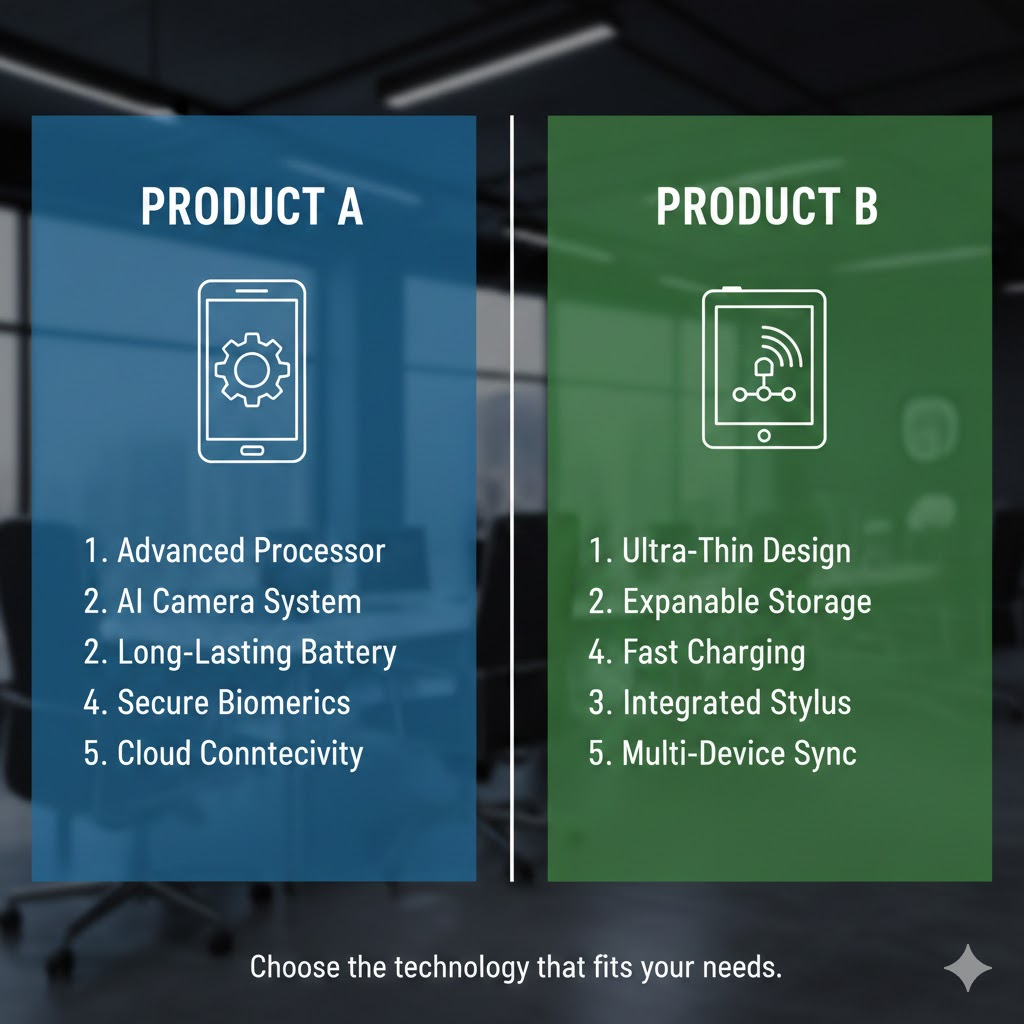
Now focus on core features. Look at how frameworks handle routing, data management, and security. These features affect daily development work.
For example, some frameworks include built-in tools for common tasks. Others require third-party libraries. A framework comparison guide highlights these differences clearly.
Do not chase extra features you may never use. Focus on features that directly support your project goals.
Step 4: Evaluate Performance and Speed
Performance matters for user experience. Compare how frameworks handle speed and resource usage. Lightweight frameworks are often faster for small projects.
However, performance also depends on proper usage. A framework comparison guide helps you understand default performance and optimization options.
Check how frameworks handle large data and high traffic. This is important for growing projects.
Step 5: Check Community and Support
Strong community support makes learning easier. Frameworks with active communities offer tutorials, plugins, and solutions to common problems.
A framework comparison guide always considers community size and activity. A silent community can be a warning sign.
Also, look at official documentation quality. Clear documentation saves time and reduces errors.
Step 6: Review Scalability and Maintenance
Scalability refers to how well a framework handles growth. Some frameworks are great for small projects but struggle at scale.
Maintenance is equally important. A framework comparison guide examines update frequency and backward compatibility. Frequent breaking changes can create issues.
Choose a framework that supports long-term stability if your project is expected to grow.
Step 7: Test with Small Examples
Before finalizing, test frameworks with small sample projects. This hands-on approach reveals strengths and weaknesses quickly.
A framework comparison guide encourages experimentation. Even simple tests can show how comfortable a framework feels.
This step builds confidence in your final decision.
Benefits of Framework Comparison Guide
- Helps you choose the right framework based on real needs
- Saves time by avoiding trial and error
- Reduces risk of future migration issues
- Improves project planning and clarity
- Builds confidence in technical decisions
- Supports long-term project success
Disadvantages / Risks
- Can feel overwhelming for beginners at first
- Requires time and research effort
- Too much comparison may delay decisions
- Opinions can bias evaluation if not careful
- Overthinking may lead to unnecessary complexity
Common Mistakes to Avoid
One common mistake is focusing only on popularity. Popular frameworks are not always the best fit. A framework comparison guide helps you look beyond trends.
Another mistake is ignoring future needs. Choosing a framework only for current requirements can cause problems later.
Many developers also skip documentation review. Poor documentation increases learning time and errors.
Lastly, copying choices from others without understanding context is risky. Each project is unique, and a framework comparison guide encourages independent evaluation.
FAQs
What is the main purpose of a framework comparison guide?
The main purpose is to help developers choose the right framework based on project needs, skills, and long-term goals. It reduces confusion and improves decision quality.
Is a framework comparison guide useful for beginners?
Yes, it is especially useful for beginners. It provides structure and clarity, making complex choices easier to understand and manage.
How many frameworks should I compare?
Comparing three to five frameworks is usually enough. Too many comparisons can cause confusion and delay decisions.
Does a framework comparison guide guarantee success?
No guide can guarantee success. However, it significantly reduces risk by helping you make informed choices.
Should I update my framework comparison over time?
Yes, frameworks evolve. Updating your comparison helps you stay informed about changes and new options.
Can I use one framework comparison guide for all projects?
Not always. Different projects have different needs. A framework comparison guide should be adapted for each project.
Expert Tips & Bonus Points
Always start with clear goals before comparing frameworks. This keeps evaluation focused and efficient.
Take notes during comparison. Writing down pros and cons improves clarity and recall.
Avoid emotional attachment to tools. Choose frameworks based on logic, not personal bias.
Consider long-term maintenance costs. A simple framework may save money and effort over time.
Finally, trust your research. A well-prepared framework comparison guide gives you confidence to move forward.
Conclusion
A framework comparison guide is more than a technical checklist. It is a practical tool that supports smart decision-making. By following a structured approach, you reduce confusion and avoid costly mistakes. Instead of choosing frameworks blindly, you choose with purpose and clarity.
Throughout this article, we explored what a framework comparison guide is and why it matters. We walked through each step, from defining requirements to testing small examples. We also discussed benefits, risks, and common mistakes to avoid. These insights help you think beyond short-term convenience.
For beginners, this guide builds confidence and understanding. For intermediate developers, it sharpens decision-making skills. In both cases, the result is better planning and smoother development. A framework comparison guide does not tell you what to choose. It shows you how to choose.
As technology continues to evolve, frameworks will change too. Having a clear comparison method ensures you adapt wisely. With the right framework comparison guide, you are prepared to build projects that are stable, scalable, and successful in the long run.